 Rosacea
10 min read
Rosacea
10 min read
Rosacea: Myths, Facts, and Evidence-Based Advice for Family and Caregivers
Rosacea guide for family and caregivers. Rosacea commonly causes recurrent facial flushing, persistent redness, visible vessels, and inflammatory papules in adults. This article explains common misconceptions and evidence-guided recommendations with practical UK-focused next steps for online dermatologist care.
Many patients ask whether Rosacea can be managed safely online. For family and caregivers, this guide explains common misconceptions and evidence-guided recommendations in clear and practical language.
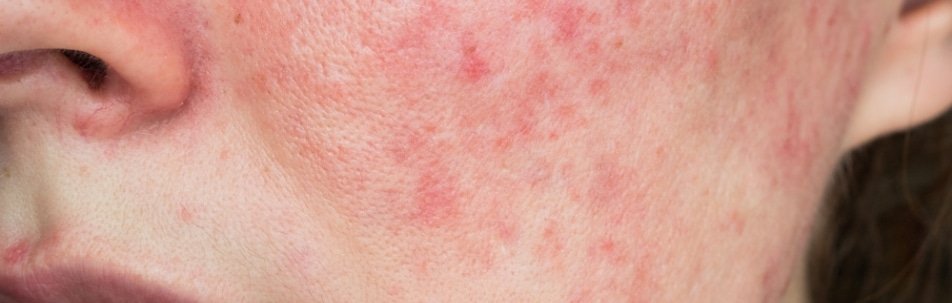
Typical patterns include central facial redness, flushing, sensitivity, visible blood vessels, and acne-like bumps. Common triggers can involve heat, alcohol, spicy food, sunlight, emotional stress, and temperature changes. First practical steps at home include: protect skin from UV exposure, use fragrance-free products, and reduce known triggers.
During online review, clinicians check severity, red flags, and treatment suitability. myth correction protects patients from delayed care and unsafe self-treatment. If warning signs appear (painful eye symptoms, sudden vision change, or severe swelling and infection signs), urgent NHS pathways should be used.
- Typical signs: central facial redness, flushing, sensitivity, visible blood vessels, and acne-like bumps.
- Common triggers: heat, alcohol, spicy food, sunlight, emotional stress, and temperature changes.
- First-line home care: protect skin from UV exposure, use fragrance-free products, and reduce known triggers.
- Clinical focus: myth correction protects patients from delayed care and unsafe self-treatment.
Safety note: Urgent escalation: painful eye symptoms, sudden vision change, or severe swelling and infection signs.
This version helps caregivers support safe monitoring and treatment adherence.