
Skip to content

Dermatology Knowledge Hub

Trusted, evidence-based guidance on common skin conditions, treatment options, and how to prepare for your online dermatology consultation.

Find your dermatology topic

Showing 637- 648 of 1,000 guides

Page 54 of 84

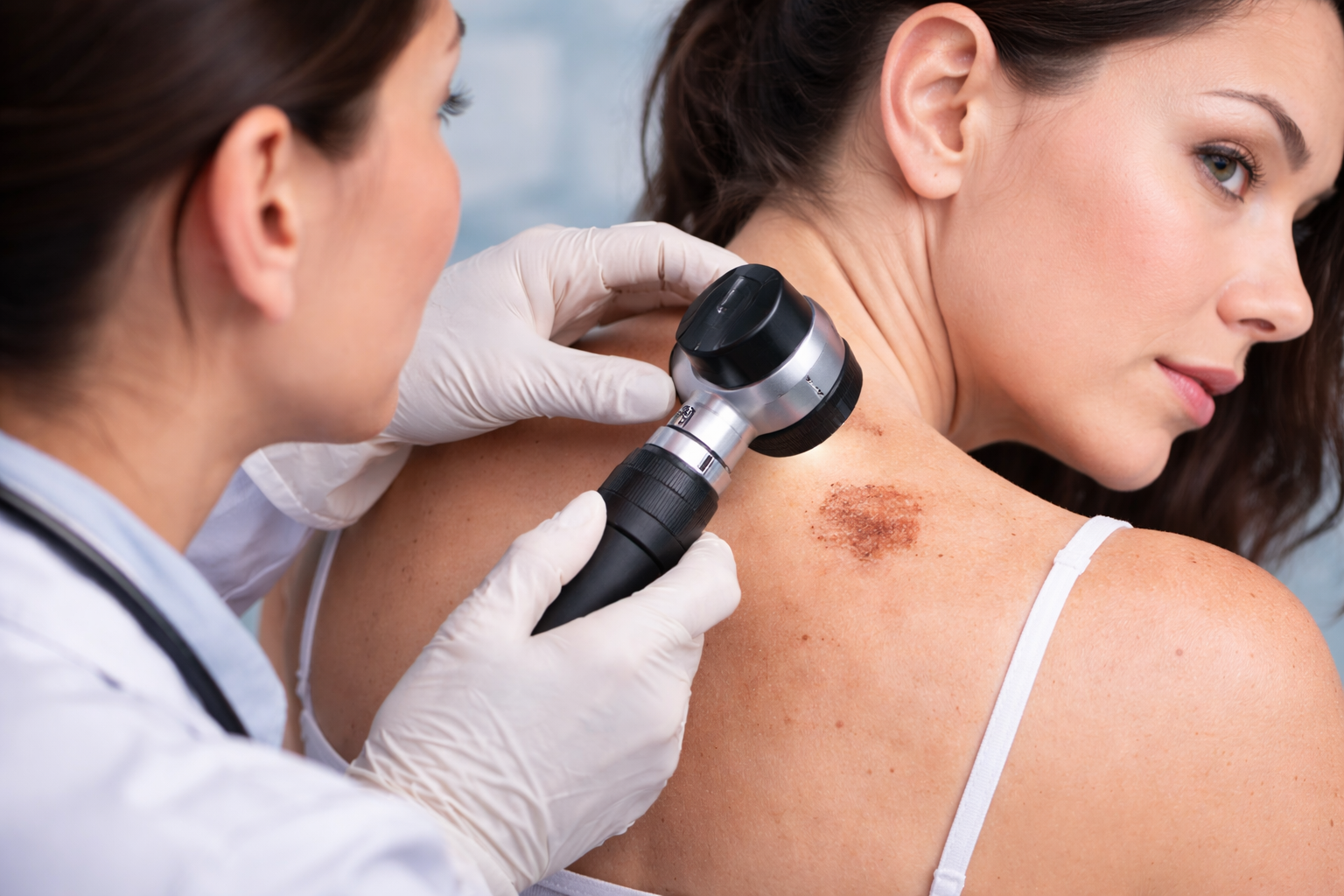
Skin Cancer Checks clinical guidance image Skin Cancer Checks 9 min read

Skin Cancer Checks: Symptoms, Causes, and Safe Online Assessment for Family and Caregivers

Skin Cancer Checks guide for family and caregivers. Skin cancer checks focus on identifying high-risk lesions early and creating clear referral pathways where needed. This article explains core symptoms, likely causes, and diagnosis pathways with practical UK-focused next steps for online dermatologist care.

Many patients ask whether Skin Cancer Checks can be managed safely online. For family and caregivers, this guide explains core symptoms, likely causes, and diagnosis pathways in clear and practical language.

Typical patterns include new or changing lesions, non-healing sores, asymmetry, and persistent crusting or bleeding. Common triggers can involve UV exposure, fair skin, immunosuppression, age, and previous skin cancer. First practical steps at home include: perform regular self-checks and submit clear images of changing lesions.

During online review, clinicians check severity, red flags, and treatment suitability. clinicians compare symptom timeline with image-based findings to guide treatment safely. If warning signs appear (rapid lesion change, persistent bleeding, or painful ulcer not healing), urgent NHS pathways should be used.

  • Typical signs: new or changing lesions, non-healing sores, asymmetry, and persistent crusting or bleeding.
  • Common triggers: UV exposure, fair skin, immunosuppression, age, and previous skin cancer.
  • First-line home care: perform regular self-checks and submit clear images of changing lesions.
  • Clinical focus: clinicians compare symptom timeline with image-based findings to guide treatment safely.

Safety note: Urgent escalation: rapid lesion change, persistent bleeding, or painful ulcer not healing.

This version helps caregivers support safe monitoring and treatment adherence.
Reviewed by OnlineDermatologist Clinical Content Team

Skin Cancer Checks clinical guidance image Skin Cancer Checks 8 min read

Skin Cancer Checks: Symptoms, Causes, and Safe Online Assessment for Ongoing Management

Skin Cancer Checks guide for ongoing management. Skin cancer checks focus on identifying high-risk lesions early and creating clear referral pathways where needed. This article explains core symptoms, likely causes, and diagnosis pathways with practical UK-focused next steps for online dermatologist care.

Our clinicians prepared this Skin Cancer Checks overview for ongoing management, with a strong focus on core symptoms, likely causes, and diagnosis pathways and realistic next steps.

A structured review often identifies new or changing lesions, non-healing sores, asymmetry, and persistent crusting or bleeding alongside trigger exposure like UV exposure, fair skin, immunosuppression, age, and previous skin cancer. Initial non-emergency care includes: perform regular self-checks and submit clear images of changing lesions.

A professional plan balances treatment benefit with safety monitoring. clinicians compare symptom timeline with image-based findings to guide treatment safely. If deterioration is rapid, use urgent care guidance for: rapid lesion change, persistent bleeding, or painful ulcer not healing.

  • Typical signs: new or changing lesions, non-healing sores, asymmetry, and persistent crusting or bleeding.
  • Common triggers: UV exposure, fair skin, immunosuppression, age, and previous skin cancer.
  • First-line home care: perform regular self-checks and submit clear images of changing lesions.
  • Clinical focus: clinicians compare symptom timeline with image-based findings to guide treatment safely.

Safety note: Urgent escalation: rapid lesion change, persistent bleeding, or painful ulcer not healing.

This version supports recurring reviews and long-term control strategies.

Reviewed by OnlineDermatologist Clinical Content Team

Skin Cancer Checks clinical guidance image Skin Cancer Checks 7 min read

Skin Cancer Checks: Symptoms, Causes, and Safe Online Assessment for Flare Management

Skin Cancer Checks guide for flare management. Skin cancer checks focus on identifying high-risk lesions early and creating clear referral pathways where needed. This article explains core symptoms, likely causes, and diagnosis pathways with practical UK-focused next steps for online dermatologist care.

This Skin Cancer Checks guide helps flare management understand core symptoms, likely causes, and diagnosis pathways so decisions around treatment and follow-up are safer and more confident.

Patients usually report new or changing lesions, non-healing sores, asymmetry, and persistent crusting or bleeding first. We then assess whether UV exposure, fair skin, immunosuppression, age, and previous skin cancer is driving flares. Early self-care approach: perform regular self-checks and submit clear images of changing lesions.

Clinical decisions are based on symptom pattern, progression, and safety boundaries. clinicians compare symptom timeline with image-based findings to guide treatment safely. Seek urgent support when signs include rapid lesion change, persistent bleeding, or painful ulcer not healing.

  • Typical signs: new or changing lesions, non-healing sores, asymmetry, and persistent crusting or bleeding.
  • Common triggers: UV exposure, fair skin, immunosuppression, age, and previous skin cancer.
  • First-line home care: perform regular self-checks and submit clear images of changing lesions.
  • Clinical focus: clinicians compare symptom timeline with image-based findings to guide treatment safely.

Safety note: Urgent escalation: rapid lesion change, persistent bleeding, or painful ulcer not healing.

This version focuses on practical steps during active symptom flare-ups.

Reviewed by OnlineDermatologist Clinical Content Team

Skin Cancer Checks clinical guidance image Skin Cancer Checks 6 min read

Skin Cancer Checks: Symptoms, Causes, and Safe Online Assessment for First-Time Patients

Skin Cancer Checks guide for first-time patients. Skin cancer checks focus on identifying high-risk lesions early and creating clear referral pathways where needed. This article explains core symptoms, likely causes, and diagnosis pathways with practical UK-focused next steps for online dermatologist care.

If you are dealing with Skin Cancer Checks, this article was written for first-time patients and focuses on core symptoms, likely causes, and diagnosis pathways without unnecessary medical jargon.

Most consultations begin by checking for new or changing lesions, non-healing sores, asymmetry, and persistent crusting or bleeding, then reviewing trigger patterns such as UV exposure, fair skin, immunosuppression, age, and previous skin cancer. At-home care should start with: perform regular self-checks and submit clear images of changing lesions.

In consultation, image quality and timeline are used to guide safe planning. clinicians compare symptom timeline with image-based findings to guide treatment safely. Escalate quickly if red-flag symptoms occur: rapid lesion change, persistent bleeding, or painful ulcer not healing.

  • Typical signs: new or changing lesions, non-healing sores, asymmetry, and persistent crusting or bleeding.
  • Common triggers: UV exposure, fair skin, immunosuppression, age, and previous skin cancer.
  • First-line home care: perform regular self-checks and submit clear images of changing lesions.
  • Clinical focus: clinicians compare symptom timeline with image-based findings to guide treatment safely.

Safety note: Urgent escalation: rapid lesion change, persistent bleeding, or painful ulcer not healing.

This version is designed for people booking dermatology care for the first time.

Reviewed by OnlineDermatologist Clinical Content Team

Skin Lesions clinical guidance image Skin Lesions 5 min read

Skin Lesions: How to Prepare for an Online Consultation for Family and Caregivers

Skin Lesions guide for family and caregivers. Skin lesions include benign and malignant growths, papules, nodules, and plaques that benefit from structured triage. This article explains photo quality, symptom timeline, and consultation readiness with practical UK-focused next steps for online dermatologist care.

Many patients ask whether Skin Lesions can be managed safely online. For family and caregivers, this guide explains photo quality, symptom timeline, and consultation readiness in clear and practical language.

Typical patterns include new bumps, persistent plaques, crusting lesions, or changing raised marks. Common triggers can involve chronic sun exposure, friction, infection, inflammation, and age-related change. First practical steps at home include: avoid picking lesions, document progression, and use sun protection.

During online review, clinicians check severity, red flags, and treatment suitability. well-prepared consultations lead to faster and clearer treatment decisions. If warning signs appear (non-healing bleeding lesion, rapid growth, or painful infected lesion with fever), urgent NHS pathways should be used.

  • Typical signs: new bumps, persistent plaques, crusting lesions, or changing raised marks.
  • Common triggers: chronic sun exposure, friction, infection, inflammation, and age-related change.
  • First-line home care: avoid picking lesions, document progression, and use sun protection.
  • Clinical focus: well-prepared consultations lead to faster and clearer treatment decisions.

Safety note: Urgent escalation: non-healing bleeding lesion, rapid growth, or painful infected lesion with fever.

This version helps caregivers support safe monitoring and treatment adherence.

Reviewed by OnlineDermatologist Clinical Content Team

Skin Lesions clinical guidance image Skin Lesions 10 min read

Skin Lesions: How to Prepare for an Online Consultation for Ongoing Management

Skin Lesions guide for ongoing management. Skin lesions include benign and malignant growths, papules, nodules, and plaques that benefit from structured triage. This article explains photo quality, symptom timeline, and consultation readiness with practical UK-focused next steps for online dermatologist care.

Our clinicians prepared this Skin Lesions overview for ongoing management, with a strong focus on photo quality, symptom timeline, and consultation readiness and realistic next steps.

A structured review often identifies new bumps, persistent plaques, crusting lesions, or changing raised marks alongside trigger exposure like chronic sun exposure, friction, infection, inflammation, and age-related change. Initial non-emergency care includes: avoid picking lesions, document progression, and use sun protection.

A professional plan balances treatment benefit with safety monitoring. well-prepared consultations lead to faster and clearer treatment decisions. If deterioration is rapid, use urgent care guidance for: non-healing bleeding lesion, rapid growth, or painful infected lesion with fever.

  • Typical signs: new bumps, persistent plaques, crusting lesions, or changing raised marks.
  • Common triggers: chronic sun exposure, friction, infection, inflammation, and age-related change.
  • First-line home care: avoid picking lesions, document progression, and use sun protection.
  • Clinical focus: well-prepared consultations lead to faster and clearer treatment decisions.

Safety note: Urgent escalation: non-healing bleeding lesion, rapid growth, or painful infected lesion with fever.

This version supports recurring reviews and long-term control strategies.

Reviewed by OnlineDermatologist Clinical Content Team

Skin Lesions clinical guidance image Skin Lesions 9 min read

Skin Lesions: How to Prepare for an Online Consultation for Flare Management

Skin Lesions guide for flare management. Skin lesions include benign and malignant growths, papules, nodules, and plaques that benefit from structured triage. This article explains photo quality, symptom timeline, and consultation readiness with practical UK-focused next steps for online dermatologist care.

This Skin Lesions guide helps flare management understand photo quality, symptom timeline, and consultation readiness so decisions around treatment and follow-up are safer and more confident.

Patients usually report new bumps, persistent plaques, crusting lesions, or changing raised marks first. We then assess whether chronic sun exposure, friction, infection, inflammation, and age-related change is driving flares. Early self-care approach: avoid picking lesions, document progression, and use sun protection.

Clinical decisions are based on symptom pattern, progression, and safety boundaries. well-prepared consultations lead to faster and clearer treatment decisions. Seek urgent support when signs include non-healing bleeding lesion, rapid growth, or painful infected lesion with fever.

  • Typical signs: new bumps, persistent plaques, crusting lesions, or changing raised marks.
  • Common triggers: chronic sun exposure, friction, infection, inflammation, and age-related change.
  • First-line home care: avoid picking lesions, document progression, and use sun protection.
  • Clinical focus: well-prepared consultations lead to faster and clearer treatment decisions.

Safety note: Urgent escalation: non-healing bleeding lesion, rapid growth, or painful infected lesion with fever.

This version focuses on practical steps during active symptom flare-ups.

Reviewed by OnlineDermatologist Clinical Content Team

Skin Lesions clinical guidance image Skin Lesions 8 min read

Skin Lesions: How to Prepare for an Online Consultation for First-Time Patients

Skin Lesions guide for first-time patients. Skin lesions include benign and malignant growths, papules, nodules, and plaques that benefit from structured triage. This article explains photo quality, symptom timeline, and consultation readiness with practical UK-focused next steps for online dermatologist care.

If you are dealing with Skin Lesions, this article was written for first-time patients and focuses on photo quality, symptom timeline, and consultation readiness without unnecessary medical jargon.

Most consultations begin by checking for new bumps, persistent plaques, crusting lesions, or changing raised marks, then reviewing trigger patterns such as chronic sun exposure, friction, infection, inflammation, and age-related change. At-home care should start with: avoid picking lesions, document progression, and use sun protection.

In consultation, image quality and timeline are used to guide safe planning. well-prepared consultations lead to faster and clearer treatment decisions. Escalate quickly if red-flag symptoms occur: non-healing bleeding lesion, rapid growth, or painful infected lesion with fever.

  • Typical signs: new bumps, persistent plaques, crusting lesions, or changing raised marks.
  • Common triggers: chronic sun exposure, friction, infection, inflammation, and age-related change.
  • First-line home care: avoid picking lesions, document progression, and use sun protection.
  • Clinical focus: well-prepared consultations lead to faster and clearer treatment decisions.

Safety note: Urgent escalation: non-healing bleeding lesion, rapid growth, or painful infected lesion with fever.

This version is designed for people booking dermatology care for the first time.

Reviewed by OnlineDermatologist Clinical Content Team

Skin Lesions clinical guidance image Skin Lesions 7 min read

Skin Lesions: Myths, Facts, and Evidence-Based Advice for Family and Caregivers

Skin Lesions guide for family and caregivers. Skin lesions include benign and malignant growths, papules, nodules, and plaques that benefit from structured triage. This article explains common misconceptions and evidence-guided recommendations with practical UK-focused next steps for online dermatologist care.

Many patients ask whether Skin Lesions can be managed safely online. For family and caregivers, this guide explains common misconceptions and evidence-guided recommendations in clear and practical language.

Typical patterns include new bumps, persistent plaques, crusting lesions, or changing raised marks. Common triggers can involve chronic sun exposure, friction, infection, inflammation, and age-related change. First practical steps at home include: avoid picking lesions, document progression, and use sun protection.

During online review, clinicians check severity, red flags, and treatment suitability. myth correction protects patients from delayed care and unsafe self-treatment. If warning signs appear (non-healing bleeding lesion, rapid growth, or painful infected lesion with fever), urgent NHS pathways should be used.

  • Typical signs: new bumps, persistent plaques, crusting lesions, or changing raised marks.
  • Common triggers: chronic sun exposure, friction, infection, inflammation, and age-related change.
  • First-line home care: avoid picking lesions, document progression, and use sun protection.
  • Clinical focus: myth correction protects patients from delayed care and unsafe self-treatment.

Safety note: Urgent escalation: non-healing bleeding lesion, rapid growth, or painful infected lesion with fever.

This version helps caregivers support safe monitoring and treatment adherence.

Reviewed by OnlineDermatologist Clinical Content Team

Skin Lesions clinical guidance image Skin Lesions 6 min read

Skin Lesions: Myths, Facts, and Evidence-Based Advice for Ongoing Management

Skin Lesions guide for ongoing management. Skin lesions include benign and malignant growths, papules, nodules, and plaques that benefit from structured triage. This article explains common misconceptions and evidence-guided recommendations with practical UK-focused next steps for online dermatologist care.

Our clinicians prepared this Skin Lesions overview for ongoing management, with a strong focus on common misconceptions and evidence-guided recommendations and realistic next steps.

A structured review often identifies new bumps, persistent plaques, crusting lesions, or changing raised marks alongside trigger exposure like chronic sun exposure, friction, infection, inflammation, and age-related change. Initial non-emergency care includes: avoid picking lesions, document progression, and use sun protection.

A professional plan balances treatment benefit with safety monitoring. myth correction protects patients from delayed care and unsafe self-treatment. If deterioration is rapid, use urgent care guidance for: non-healing bleeding lesion, rapid growth, or painful infected lesion with fever.

  • Typical signs: new bumps, persistent plaques, crusting lesions, or changing raised marks.
  • Common triggers: chronic sun exposure, friction, infection, inflammation, and age-related change.
  • First-line home care: avoid picking lesions, document progression, and use sun protection.
  • Clinical focus: myth correction protects patients from delayed care and unsafe self-treatment.

Safety note: Urgent escalation: non-healing bleeding lesion, rapid growth, or painful infected lesion with fever.

This version supports recurring reviews and long-term control strategies.

Reviewed by OnlineDermatologist Clinical Content Team

Skin Lesions clinical guidance image Skin Lesions 5 min read

Skin Lesions: Myths, Facts, and Evidence-Based Advice for Flare Management

Skin Lesions guide for flare management. Skin lesions include benign and malignant growths, papules, nodules, and plaques that benefit from structured triage. This article explains common misconceptions and evidence-guided recommendations with practical UK-focused next steps for online dermatologist care.

This Skin Lesions guide helps flare management understand common misconceptions and evidence-guided recommendations so decisions around treatment and follow-up are safer and more confident.

Patients usually report new bumps, persistent plaques, crusting lesions, or changing raised marks first. We then assess whether chronic sun exposure, friction, infection, inflammation, and age-related change is driving flares. Early self-care approach: avoid picking lesions, document progression, and use sun protection.

Clinical decisions are based on symptom pattern, progression, and safety boundaries. myth correction protects patients from delayed care and unsafe self-treatment. Seek urgent support when signs include non-healing bleeding lesion, rapid growth, or painful infected lesion with fever.

  • Typical signs: new bumps, persistent plaques, crusting lesions, or changing raised marks.
  • Common triggers: chronic sun exposure, friction, infection, inflammation, and age-related change.
  • First-line home care: avoid picking lesions, document progression, and use sun protection.
  • Clinical focus: myth correction protects patients from delayed care and unsafe self-treatment.

Safety note: Urgent escalation: non-healing bleeding lesion, rapid growth, or painful infected lesion with fever.

This version focuses on practical steps during active symptom flare-ups.

Reviewed by OnlineDermatologist Clinical Content Team

Skin Lesions clinical guidance image Skin Lesions 10 min read

Skin Lesions: Myths, Facts, and Evidence-Based Advice for First-Time Patients

Skin Lesions guide for first-time patients. Skin lesions include benign and malignant growths, papules, nodules, and plaques that benefit from structured triage. This article explains common misconceptions and evidence-guided recommendations with practical UK-focused next steps for online dermatologist care.

If you are dealing with Skin Lesions, this article was written for first-time patients and focuses on common misconceptions and evidence-guided recommendations without unnecessary medical jargon.

Most consultations begin by checking for new bumps, persistent plaques, crusting lesions, or changing raised marks, then reviewing trigger patterns such as chronic sun exposure, friction, infection, inflammation, and age-related change. At-home care should start with: avoid picking lesions, document progression, and use sun protection.

In consultation, image quality and timeline are used to guide safe planning. myth correction protects patients from delayed care and unsafe self-treatment. Escalate quickly if red-flag symptoms occur: non-healing bleeding lesion, rapid growth, or painful infected lesion with fever.

  • Typical signs: new bumps, persistent plaques, crusting lesions, or changing raised marks.
  • Common triggers: chronic sun exposure, friction, infection, inflammation, and age-related change.
  • First-line home care: avoid picking lesions, document progression, and use sun protection.
  • Clinical focus: myth correction protects patients from delayed care and unsafe self-treatment.

Safety note: Urgent escalation: non-healing bleeding lesion, rapid growth, or painful infected lesion with fever.

This version is designed for people booking dermatology care for the first time.

Reviewed by OnlineDermatologist Clinical Content Team