 Skin Infections
6 min read
Skin Infections
6 min read
Skin Infections: Symptoms, Causes, and Safe Online Assessment for Family and Caregivers
Skin Infections guide for family and caregivers. Skin infections can be bacterial, viral, or fungal and require timely diagnosis to prevent progression and complications. This article explains core symptoms, likely causes, and diagnosis pathways with practical UK-focused next steps for online dermatologist care.
Many patients ask whether Skin Infections can be managed safely online. For family and caregivers, this guide explains core symptoms, likely causes, and diagnosis pathways in clear and practical language.
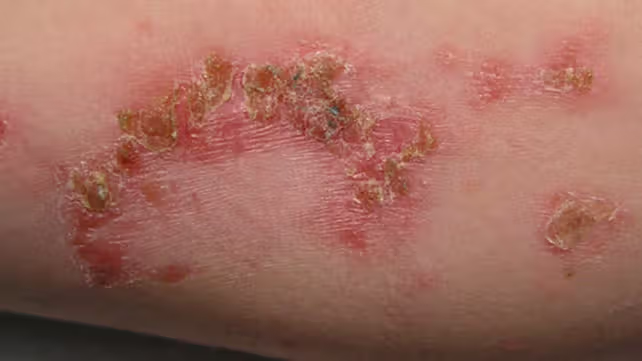
Typical patterns include spreading redness, warmth, tenderness, discharge, crusting, and local swelling. Common triggers can involve skin barrier breaks, poor circulation, humidity, close contact spread, and immune factors. First practical steps at home include: clean affected areas gently and avoid delayed treatment when symptoms worsen.
During online review, clinicians check severity, red flags, and treatment suitability. clinicians compare symptom timeline with image-based findings to guide treatment safely. If warning signs appear (rapid spread, high fever, severe pain, confusion, or facial/eye-area involvement), urgent NHS pathways should be used.
- Typical signs: spreading redness, warmth, tenderness, discharge, crusting, and local swelling.
- Common triggers: skin barrier breaks, poor circulation, humidity, close contact spread, and immune factors.
- First-line home care: clean affected areas gently and avoid delayed treatment when symptoms worsen.
- Clinical focus: clinicians compare symptom timeline with image-based findings to guide treatment safely.
Safety note: Urgent escalation: rapid spread, high fever, severe pain, confusion, or facial/eye-area involvement.
This version helps caregivers support safe monitoring and treatment adherence.