 Fungal Infections
8 min read
Fungal Infections
8 min read
Fungal Infections: Myths, Facts, and Evidence-Based Advice for Family and Caregivers
Fungal Infections guide for family and caregivers. Fungal skin infections commonly involve ring-like scaling, itch, and spread in warm moist environments. This article explains common misconceptions and evidence-guided recommendations with practical UK-focused next steps for online dermatologist care.
Many patients ask whether Fungal Infections can be managed safely online. For family and caregivers, this guide explains common misconceptions and evidence-guided recommendations in clear and practical language.
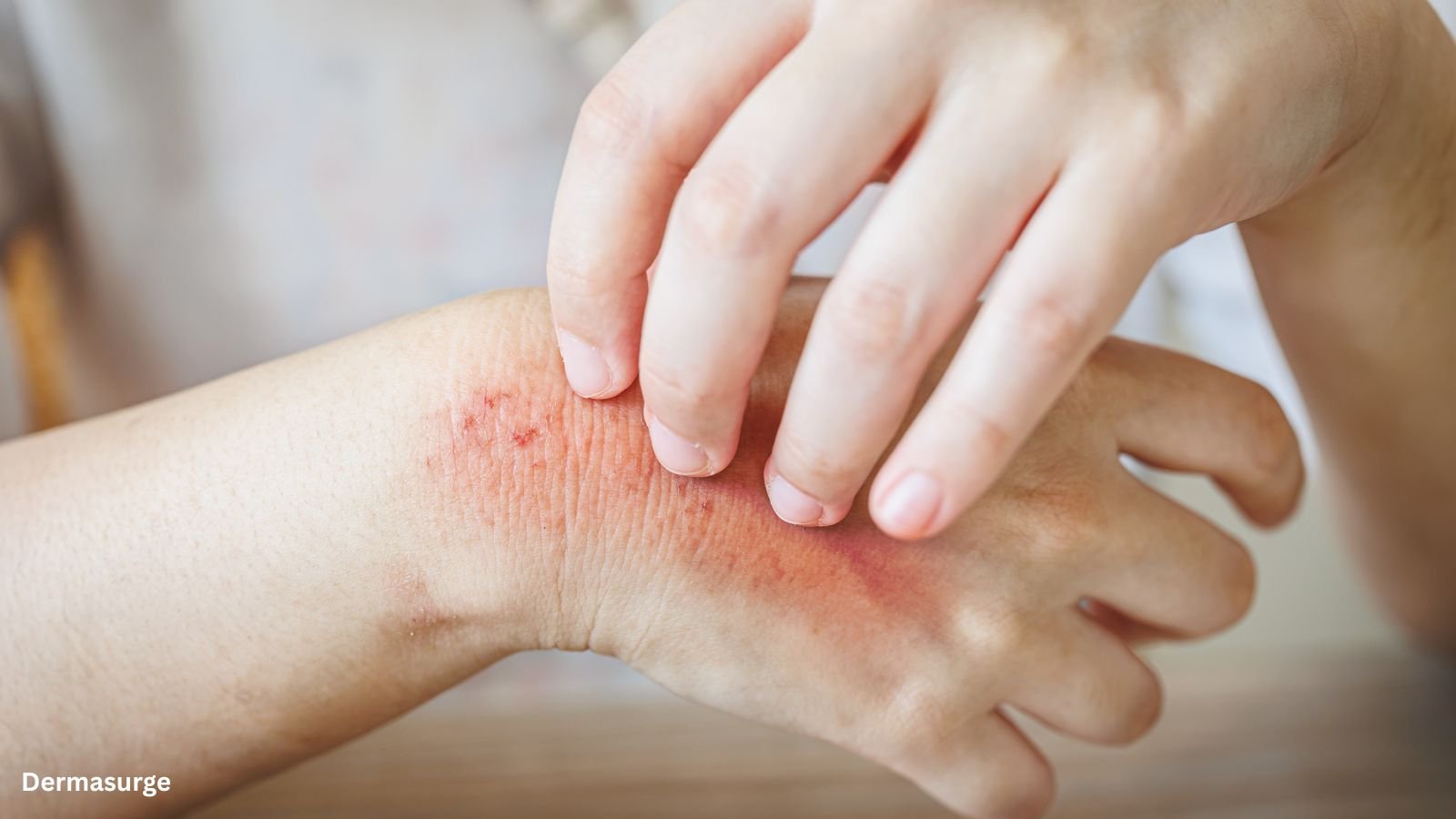
Typical patterns include itchy scaling patches, ring-shaped rash, fissures, and recurrent moisture-related flares. Common triggers can involve humidity, occlusive footwear, shared surfaces, and impaired skin barrier. First practical steps at home include: keep affected areas dry and use clinician-advised antifungal routines consistently.
During online review, clinicians check severity, red flags, and treatment suitability. myth correction protects patients from delayed care and unsafe self-treatment. If warning signs appear (rapid painful spread, fever, significant swelling, or diabetic foot involvement), urgent NHS pathways should be used.
- Typical signs: itchy scaling patches, ring-shaped rash, fissures, and recurrent moisture-related flares.
- Common triggers: humidity, occlusive footwear, shared surfaces, and impaired skin barrier.
- First-line home care: keep affected areas dry and use clinician-advised antifungal routines consistently.
- Clinical focus: myth correction protects patients from delayed care and unsafe self-treatment.
Safety note: Urgent escalation: rapid painful spread, fever, significant swelling, or diabetic foot involvement.
This version helps caregivers support safe monitoring and treatment adherence.