 Hair Loss
6 min read
Hair Loss
6 min read
Hair Loss: How to Prepare for an Online Consultation for Family and Caregivers
Hair Loss guide for family and caregivers. Hair loss includes androgenetic, inflammatory, and diffuse shedding patterns that need pattern-based diagnosis. This article explains photo quality, symptom timeline, and consultation readiness with practical UK-focused next steps for online dermatologist care.
Many patients ask whether Hair Loss can be managed safely online. For family and caregivers, this guide explains photo quality, symptom timeline, and consultation readiness in clear and practical language.
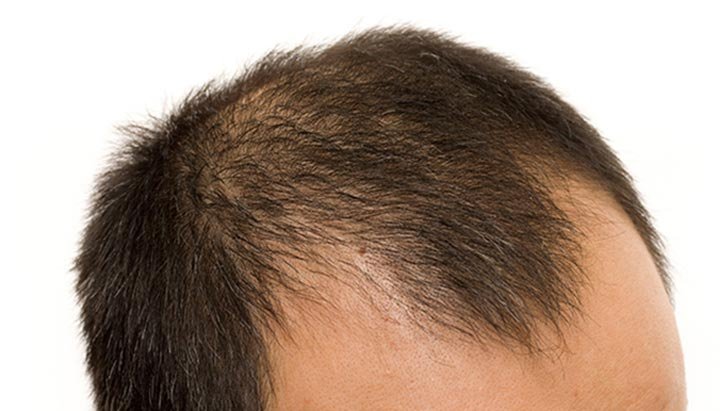
Typical patterns include widening part line, temple recession, shedding increase, or patchy scalp hair loss. Common triggers can involve genetics, hormonal changes, nutritional deficits, stress, and inflammatory scalp disease. First practical steps at home include: document shedding pattern and avoid harsh traction or damaging styling practices.
During online review, clinicians check severity, red flags, and treatment suitability. well-prepared consultations lead to faster and clearer treatment decisions. If warning signs appear (sudden patchy loss with pain, scalp inflammation, or rapid diffuse shedding), urgent NHS pathways should be used.
- Typical signs: widening part line, temple recession, shedding increase, or patchy scalp hair loss.
- Common triggers: genetics, hormonal changes, nutritional deficits, stress, and inflammatory scalp disease.
- First-line home care: document shedding pattern and avoid harsh traction or damaging styling practices.
- Clinical focus: well-prepared consultations lead to faster and clearer treatment decisions.
Safety note: Urgent escalation: sudden patchy loss with pain, scalp inflammation, or rapid diffuse shedding.
This version helps caregivers support safe monitoring and treatment adherence.