 Scalp Conditions
7 min read
Scalp Conditions
7 min read
Scalp Conditions: Myths, Facts, and Evidence-Based Advice for Family and Caregivers
Scalp Conditions guide for family and caregivers. Scalp conditions include dandruff, seborrheic dermatitis, psoriasis, and inflammatory disorders requiring targeted care. This article explains common misconceptions and evidence-guided recommendations with practical UK-focused next steps for online dermatologist care.
Many patients ask whether Scalp Conditions can be managed safely online. For family and caregivers, this guide explains common misconceptions and evidence-guided recommendations in clear and practical language.
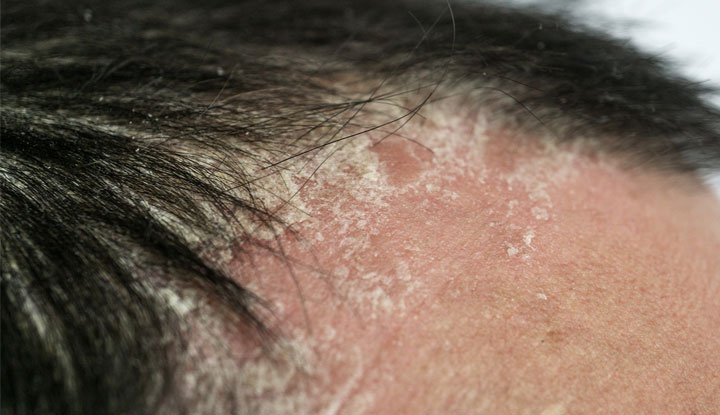
Typical patterns include itch, scale, redness, tenderness, flakes, and localized patch symptoms. Common triggers can involve yeast overgrowth, inflammation, stress, product sensitivity, and weather change. First practical steps at home include: use scalp-appropriate cleansers and avoid scratching or over-stripping routines.
During online review, clinicians check severity, red flags, and treatment suitability. myth correction protects patients from delayed care and unsafe self-treatment. If warning signs appear (painful swollen scalp, pus, fever, or rapidly progressive hair-bearing skin changes), urgent NHS pathways should be used.
- Typical signs: itch, scale, redness, tenderness, flakes, and localized patch symptoms.
- Common triggers: yeast overgrowth, inflammation, stress, product sensitivity, and weather change.
- First-line home care: use scalp-appropriate cleansers and avoid scratching or over-stripping routines.
- Clinical focus: myth correction protects patients from delayed care and unsafe self-treatment.
Safety note: Urgent escalation: painful swollen scalp, pus, fever, or rapidly progressive hair-bearing skin changes.
This version helps caregivers support safe monitoring and treatment adherence.