 Cysts
8 min read
Cysts
8 min read
Cysts: Red Flags and Urgent Escalation Guidance for Family and Caregivers
Cysts guide for family and caregivers. Skin cysts are sac-like lesions often filled with keratin or fluid and may become inflamed or infected. This article explains high-risk warning signs and emergency escalation boundaries with practical UK-focused next steps for online dermatologist care.
Many patients ask whether Cysts can be managed safely online. For family and caregivers, this guide explains high-risk warning signs and emergency escalation boundaries in clear and practical language.
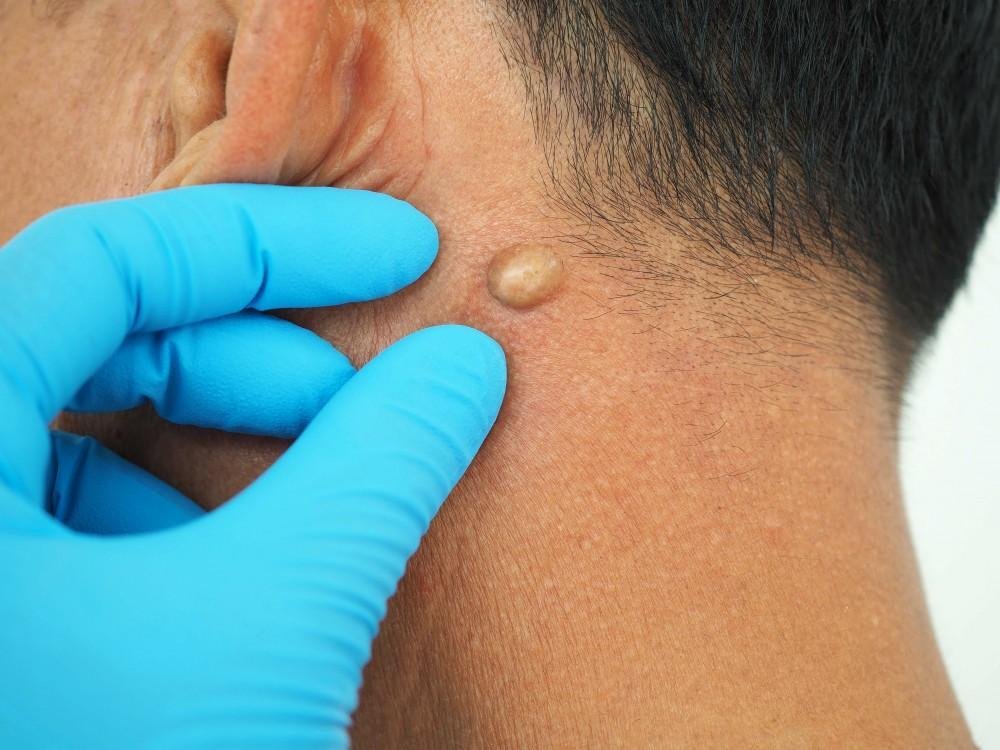
Typical patterns include round subcutaneous lump, central punctum, tenderness during inflammation, and slow growth. Common triggers can involve blocked follicles, trauma, and recurrent inflammation of local tissue. First practical steps at home include: avoid squeezing and monitor for redness, warmth, and pain progression.
During online review, clinicians check severity, red flags, and treatment suitability. urgent pathways are always prioritised over delayed online follow-up. If warning signs appear (rapid enlargement with severe pain, spreading redness, fever, or drainage), urgent NHS pathways should be used.
- Typical signs: round subcutaneous lump, central punctum, tenderness during inflammation, and slow growth.
- Common triggers: blocked follicles, trauma, and recurrent inflammation of local tissue.
- First-line home care: avoid squeezing and monitor for redness, warmth, and pain progression.
- Clinical focus: urgent pathways are always prioritised over delayed online follow-up.
Safety note: Urgent escalation: rapid enlargement with severe pain, spreading redness, fever, or drainage.
This version helps caregivers support safe monitoring and treatment adherence.