Treatment Time
~15–25 minutes per online scalp conditions consultation
Secure photo assessment, expert diagnosis, and a personalised scalp conditions treatment plan with structured follow-up - safe, convenient, and managed from home.

Consultations from £79 — CQC & GPhC regulated, no hidden fees.
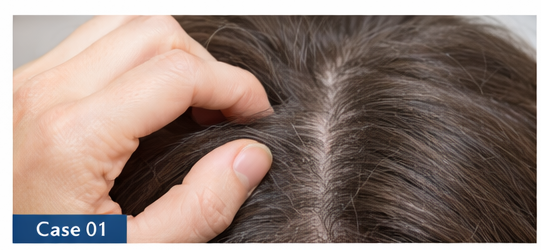
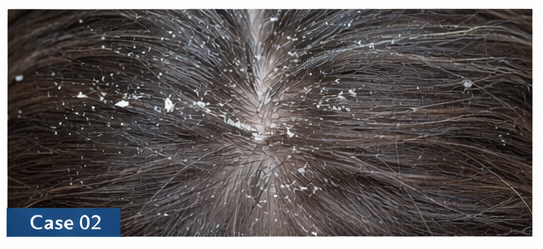
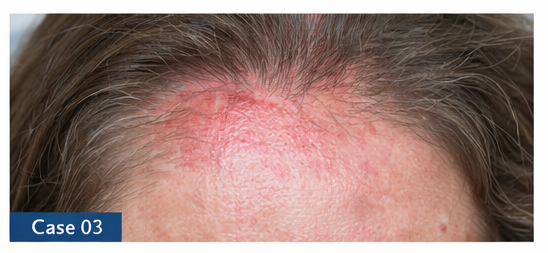
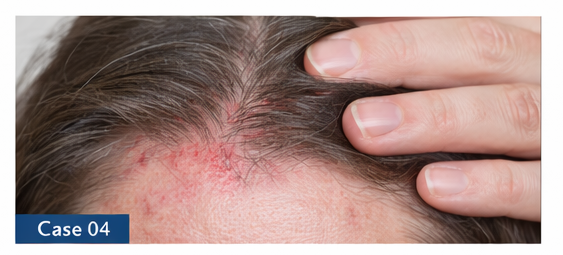
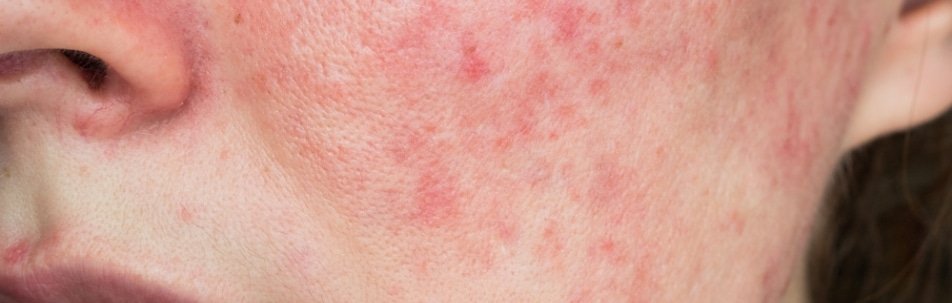
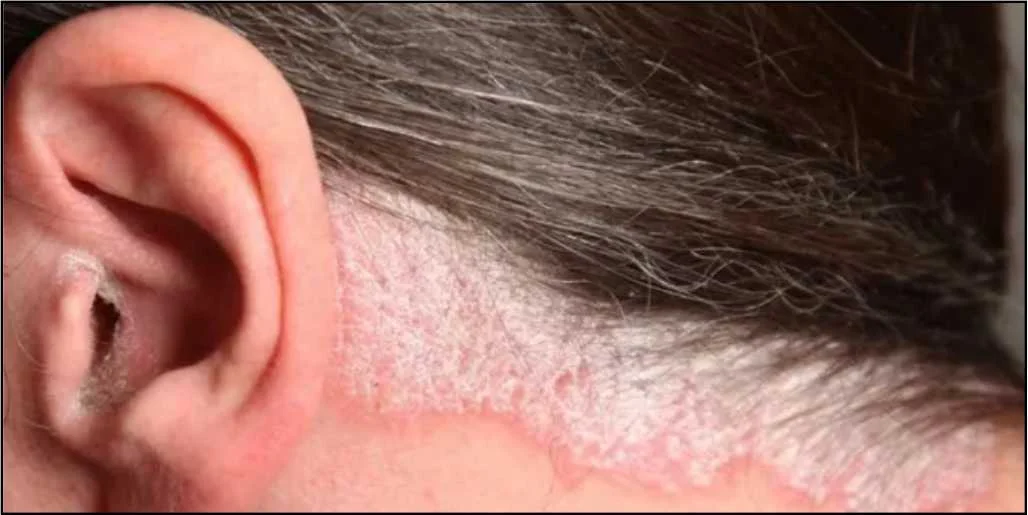
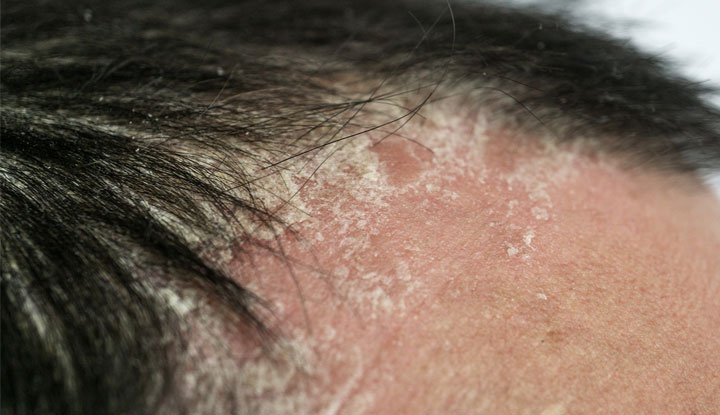
Scalp Conditions is a common dermatology concern that may involve itching, flaking, redness, soreness, scaling, pustules, or tenderness. Our online pathway is designed to help patients understand the likely pattern, common triggers, and which symptoms need more urgent review.
Common causes and risk factors include seborrhoeic dermatitis, psoriasis, folliculitis, fungal causes, or contact irritation. Because symptom patterns can overlap with other skin conditions, a structured dermatologist review helps improve treatment direction and safety advice.
Treatment planning may include medicated shampoos, anti-inflammatory or antimicrobial plans, and trigger management. Expected progress varies, but in many cases many scalp flares improve in around 2 to 6 weeks with targeted treatment.
Not every case needs immediate treatment, but warning signs should never be ignored.
Average rating 4.8/5 based on patient feedback.
Scalp Conditions can be influenced by seborrhoeic dermatitis, psoriasis, folliculitis, fungal causes, or contact irritation.
Management depends on the diagnosis and severity. Treatment often focuses on control, flare reduction, and long-term maintenance rather than one single permanent fix.
Many scalp flares improve in around 2 to 6 weeks with targeted treatment.
Oozing, severe pain, spreading infection, or hair-loss with scarring features.
Many cases can start safely online with structured history, image review, and treatment planning. Some patients will still need face-to-face review or tests depending on clinical findings.
Upload clear close-up photos in good lighting, a short timeline of symptoms, previous treatments used, and any new warning signs or triggers.
A standard consultation is the right choice for most common non-urgent skin concerns and routine treatment planning. A specialist consultation is better suited to more persistent, complex, or higher-risk concerns that may benefit from a deeper review, more tailored guidance, and a more advanced assessment pathway. If you want extra reassurance for a more complicated concern, the specialist option is the stronger choice.