Treatment Time
~15–25 minutes per online rosacea consultation
Secure photo assessment, expert diagnosis, and a personalised rosacea treatment plan with structured follow-up - safe, convenient, and managed from home.

Consultations from £79 — CQC & GPhC regulated, no hidden fees.
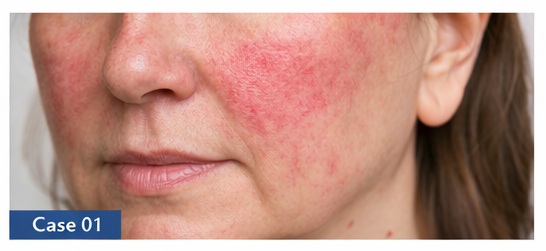
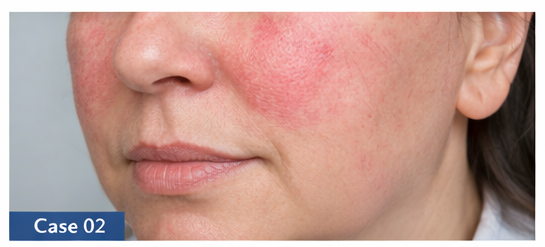
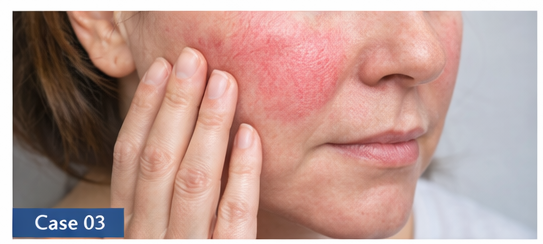
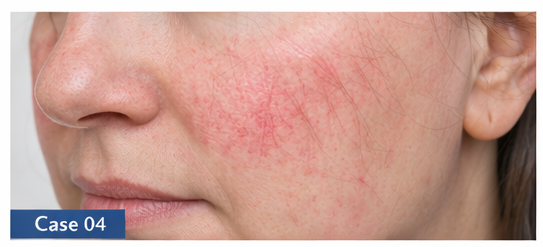
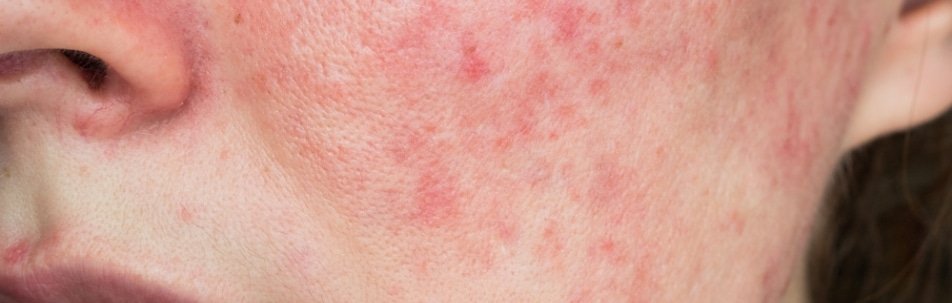
Rosacea is a chronic inflammatory skin condition that mainly affects the central areas of the face, including the cheeks, nose, forehead, and chin. It commonly causes persistent redness, visible blood vessels, and sometimes small red bumps that may resemble acne. Rosacea often develops gradually and tends to flare up periodically.
The condition is most frequently seen in adults between the ages of 30 and 50, although it can occur earlier or later. People with fair or sensitive skin types are more likely to develop rosacea, but it can affect individuals of any background. The exact cause of rosacea is not fully understood, but it is believed to involve a combination of genetic, immune, and environmental factors.
Rosacea symptoms may vary from mild facial redness to more noticeable inflammation and visible blood vessels. Some individuals may also experience skin sensitivity, burning sensations, dryness, or swelling in affected areas. In certain cases, rosacea can also affect the eyes, causing irritation or dryness, a condition known as ocular rosacea.
Although rosacea is a long-term condition, effective treatments are available to help manage symptoms, reduce redness, and prevent flare-ups. Dermatologists can provide personalised treatment plans that may include medications, skincare guidance, and advice on avoiding common triggers.
Early assessment can help control symptoms more effectively and prevent the condition from becoming more severe over time.
Not every case needs immediate treatment, but warning signs should never be ignored.
Average rating 4.8/5 based on patient feedback.
Rosacea can be influenced by trigger sensitivity related to heat, sunlight, spicy food, alcohol, stress, and irritating skincare.
Management depends on the diagnosis and severity. Treatment often focuses on control, flare reduction, and long-term maintenance rather than one single permanent fix.
Redness control may improve in weeks, while inflammatory lesions can take around 6 to 12 weeks.
Eye pain, light sensitivity, blurred vision, or sudden severe facial swelling.
Many cases can start safely online with structured history, image review, and treatment planning. Some patients will still need face-to-face review or tests depending on clinical findings.
Upload clear close-up photos in good lighting, a short timeline of symptoms, previous treatments used, and any new warning signs or triggers.
A standard consultation is the right choice for most common non-urgent skin concerns and routine treatment planning. A specialist consultation is better suited to more persistent, complex, or higher-risk concerns that may benefit from a deeper review, more tailored guidance, and a more advanced assessment pathway. If you want extra reassurance for a more complicated concern, the specialist option is the stronger choice.